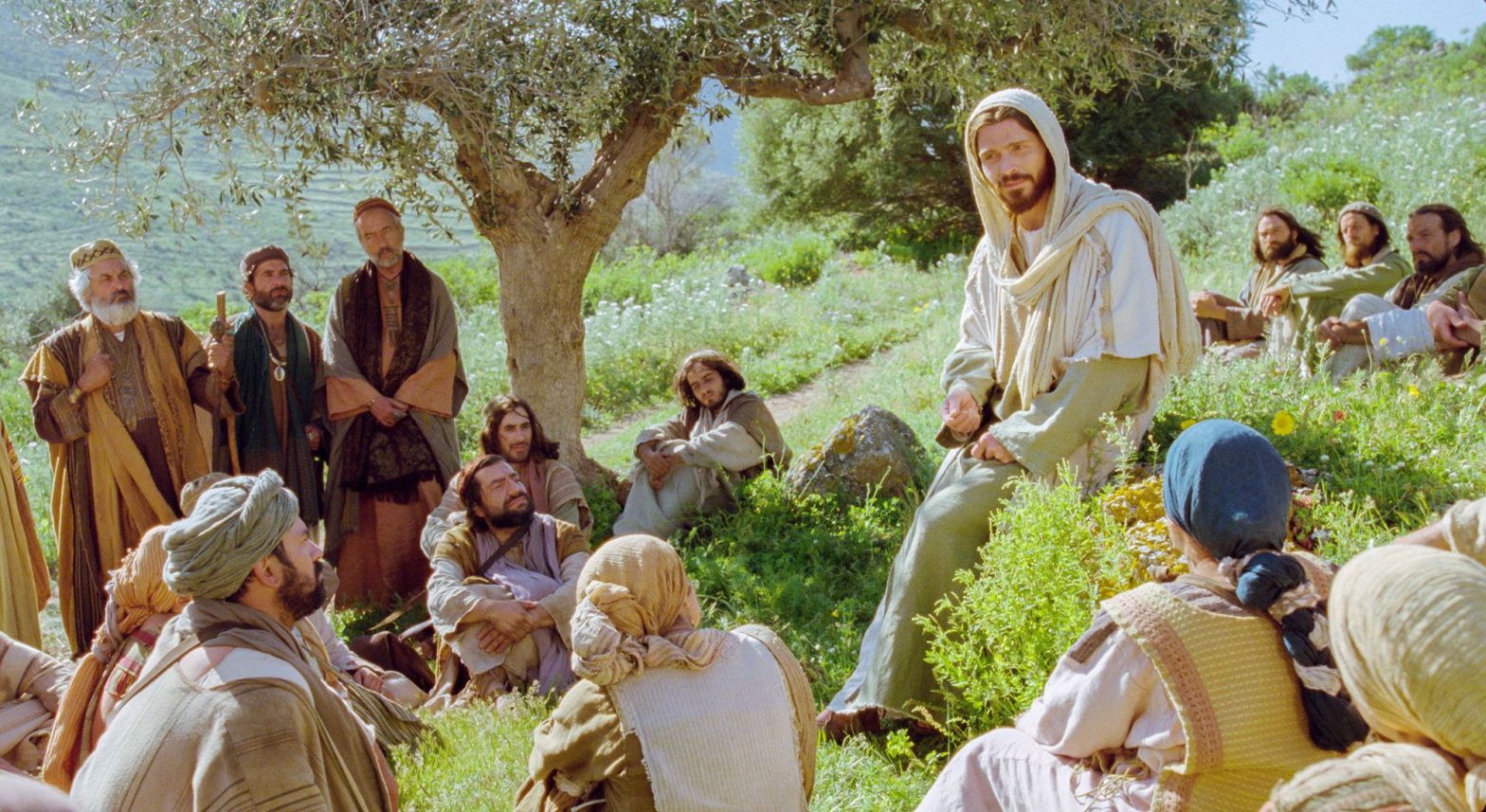
First let me say that I miss you. There are things about home church that are really good. I love the respect my boys show to the sacred ordinance of the sacrament, and I love the increased focus on family scripture study. There is, however, no substitute for the fellowship of the saints. As much as we look forward to all being together again, we are hoping that we can be careful as we return to church, and that, if we err, then we err on the side of caution and mercy.
Please help us plan how to resume sacrament meeting by filling out the confidential survey below.

Another thing I miss is attending the temple. I wish I had known that our youth temple visit in March was going to be my last for a long time. I hope to be less casual about the blessings of the temple when it opens to us again. Congratulations, by the way, to Brother and Sister Munns on being sealed together this last week. What a blessing, that they could bring you in, and perform your sealing, despite the restrictions. I know that it will be a blessing and strength to your family.
One sometimes-uncomfortable effect of this social distancing life that has been imposed on us all is no shortage of time left to one’s own thoughts. As news articles include increasing coronavirus cases around the world and here in Utah, as stories of death and unemployment from the disease have been added to with reports of, as President Nelson put it, “racism and a blatant disregard for human life,” it’s been hard for me to watch divisions and conflict seeming to be everywhere. Indignation and intolerance seem to be the norm, as we display our insensitivity to the suffering of so, so many people. I have been drawn to ponder what has gone wrong, and what can be done to correct our course as we seem to be headed to worse problems every day. In this introspection, I have come to ponder the questions posed in the parable of the Good Samaritan, as recorded in Luke 10:
25 ¶ And, behold, a certain lawyer stood up, and tempted him, saying, Master, what shall I do to inherit eternal life?
26 He said unto him, What is written in the law? how readest thou?
27 And he answering said, Thou shalt love the Lord thy God with all thy heart, and with all thy soul, and with all thy strength, and with all thy mind; and thy neighbour as thyself.
28 And he said unto him, Thou hast answered right: this do, and thou shalt live.
29 But he, willing to justify himself, said unto Jesus, And who is my neighbour?
The way we answer that last question is, I believe, a profound indication of our conversion to the Gospel of Jesus Christ. Who do we mean when we say “we?” Who do we include in “us?” And is our definition of the word “neighbor” the same as that of the Savior’s, or do we, like the attorney in Luke, seek to justify the exclusion of certain classes, races, nationalities, citizenship, religions, political parties, or lifestyle choices?
What follows is the parable of the Good Samaritan:
30 And Jesus answering said, A certain man went down from Jerusalem to Jericho, and fell among thieves, which stripped him of his raiment, and wounded him, and departed, leaving him half dead.
31 And by chance there came down a certain priest that way: and when he saw him, he passed by on the other side.
32 And likewise a Levite, when he was at the place, came and looked on him, and passed by on the other side.
33 But a certain Samaritan, as he journeyed, came where he was: and when he saw him, he had compassion on him,
34 And went to him, and bound up his wounds, pouring in oil and wine, and set him on his own beast, and brought him to an inn, and took care of him.
35 And on the morrow when he departed, he took out two pence, and gave them to the host, and said unto him, Take care of him; and whatsoever thou spendest more, when I come again, I will repay thee.
36 Which now of these three, thinkest thou, was neighbour unto him that fell among the thieves?
37 And he said, He that shewed mercy on him. Then said Jesus unto him, Go, and do thou likewise.
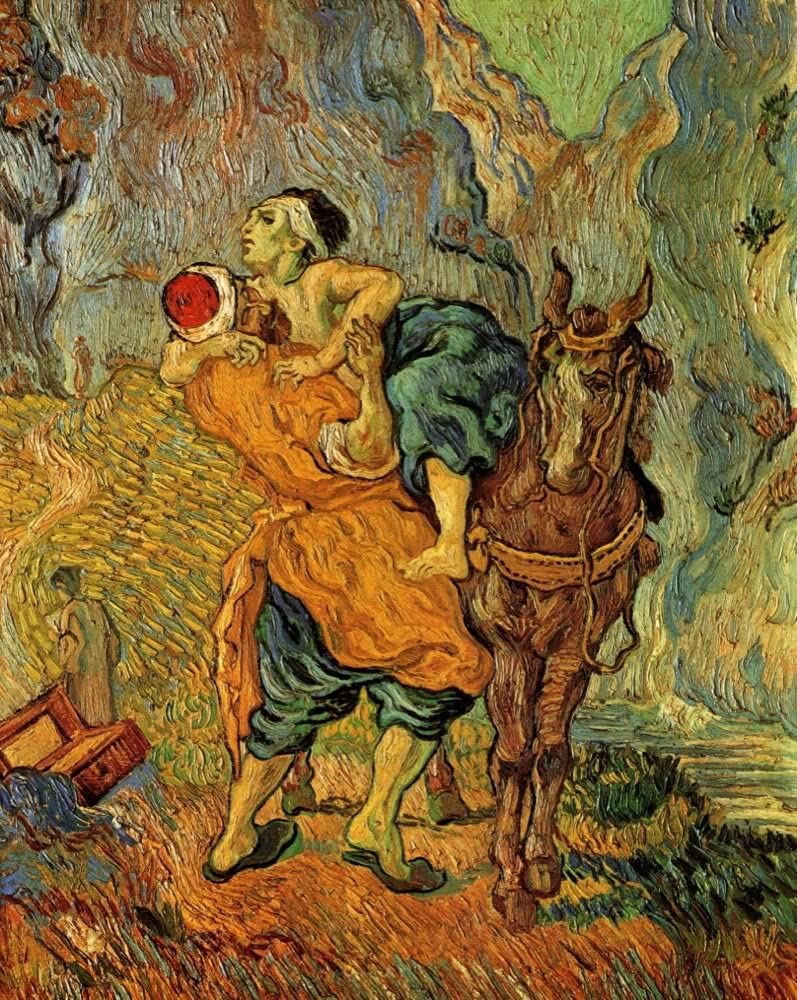
I remember, as a youth, being confused with the Jesus’ question in verse 36 – should not the question have been “who was the injured man’s neighbor? Isn’t the neighbor, who we should love as ourselves, the person who helps us and cares for us? That seemed the more obvious lesson to me. That’s the natural response, isn’t it? But that’s not the Savior’s message. By asking “who was the neighbor unto him that fell among thieves” and then instructing us to “go, and do likewise,” Christ gently strips us of any justification to exclude anyone from our “we,” our neighbors; and I feel inclined to repent.
How, then, when we are isolated, quarantined, confined to small circles, do we live this counsel to love our neighbors throughout the world? How do we lift where we stand, when so few are standing near us? We each have to find those answers, and we can start with the counsel of the Savior in the Sermon on the Mount:
43 ¶ Ye have heard that it hath been said, Thou shalt love thy neighbour, and hate thine enemy.
44 But I say unto you, Love your enemies, bless them that curse you, do good to them that hate you, and pray for them which despitefully use you, and persecute you;
45 That ye may be the children of your Father which is in heaven: for he maketh his sun to rise on the evil and on the good, and sendeth rain on the just and on the unjust.
46 For if ye love them which love you, what reward have ye? do not even the publicans the same?
47 And if ye salute your brethren only, what do ye more than others? do not even the publicans so?
48 Be ye therefore perfect, even as your Father which is in heaven is perfect.
I am also grateful for an inspired prophet who leads with love. His messages of late have been powerful, and I know that, as we follow his counsel, and as we seek to love our neighbor more fully, we can all lift where we stand, and emerge from current trials stronger and more unified as a church, and as a people. That we may be more perfect in our love for all our fellow man, our neighbors, is my prayer, in the name of Jesus Christ, amen.
 Riverdale 7th Ward
You must be logged in to post a comment.